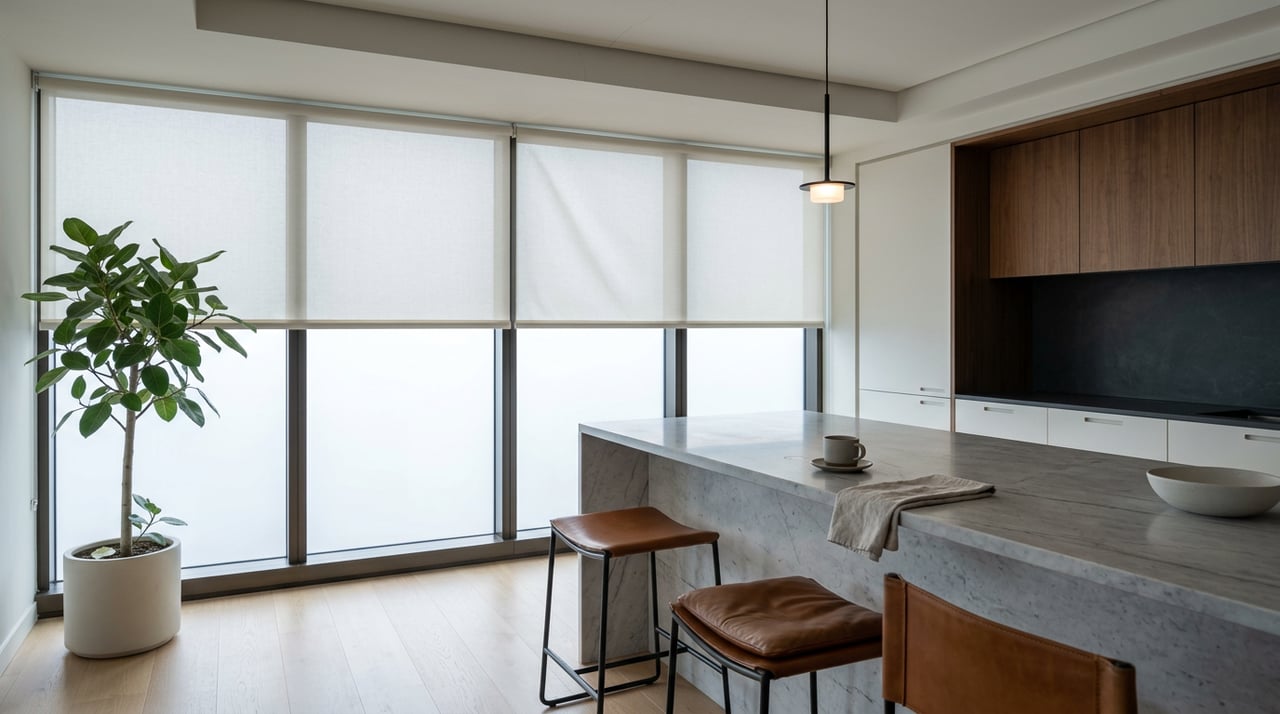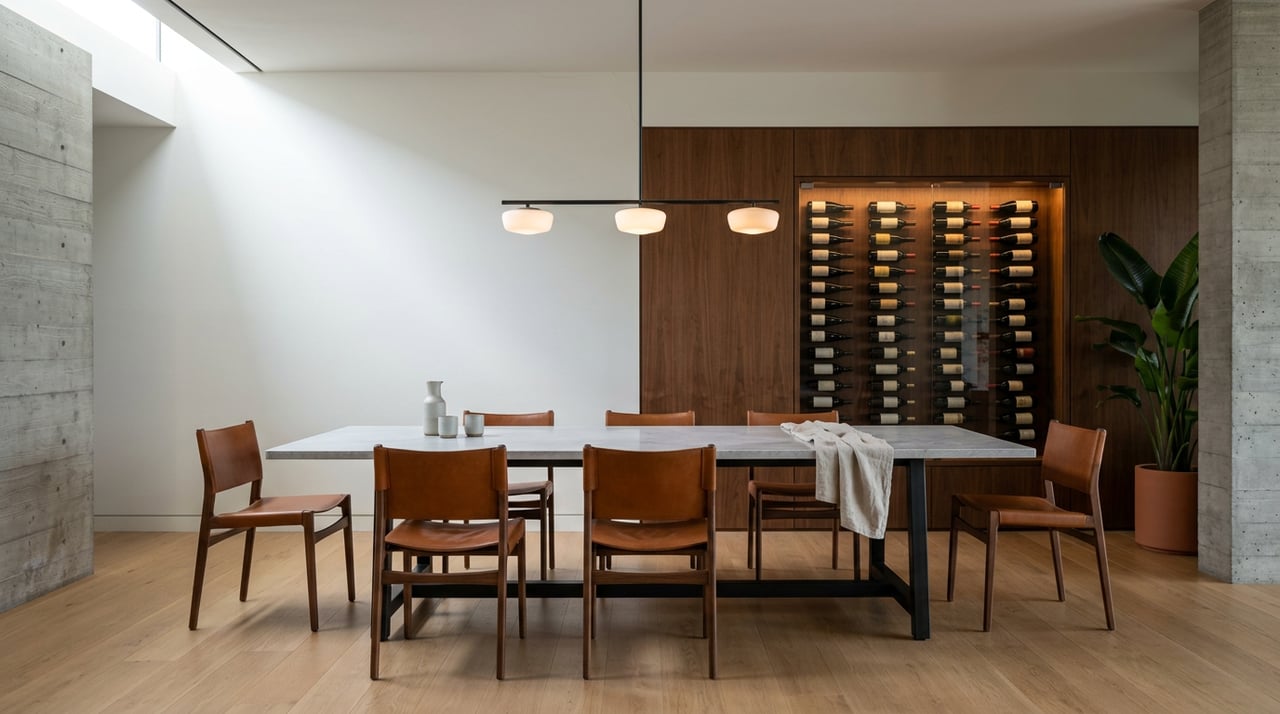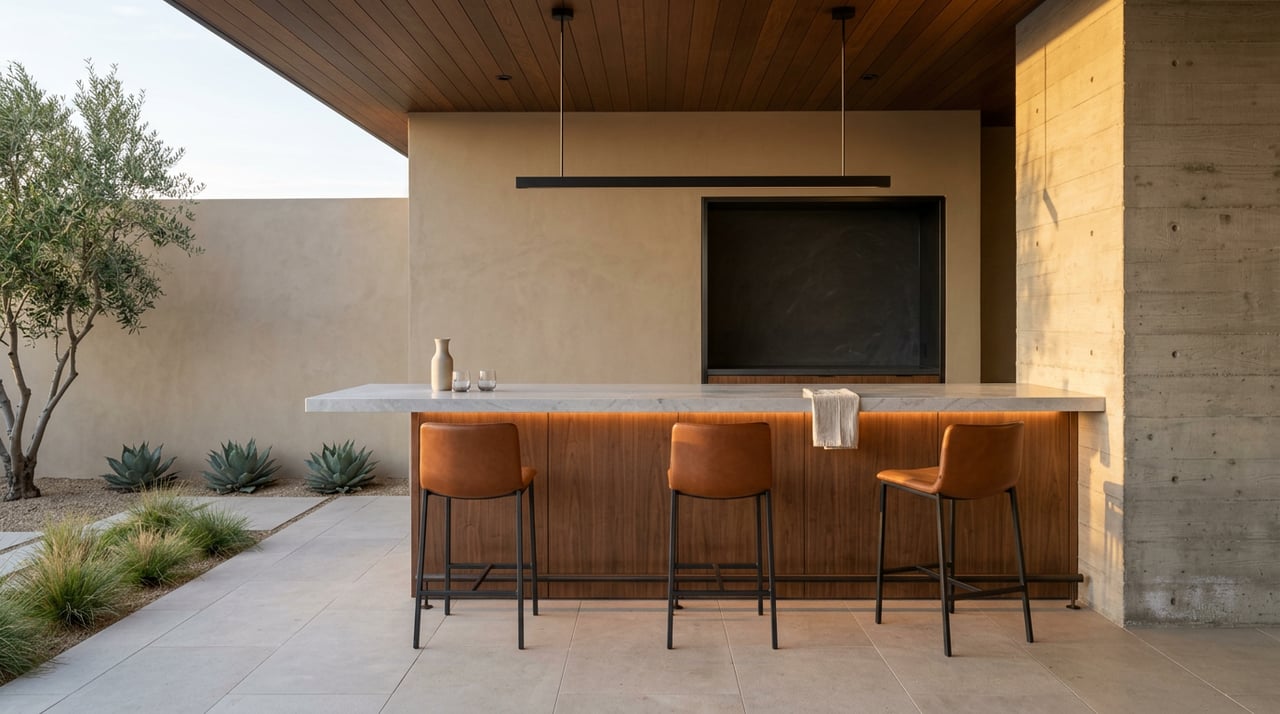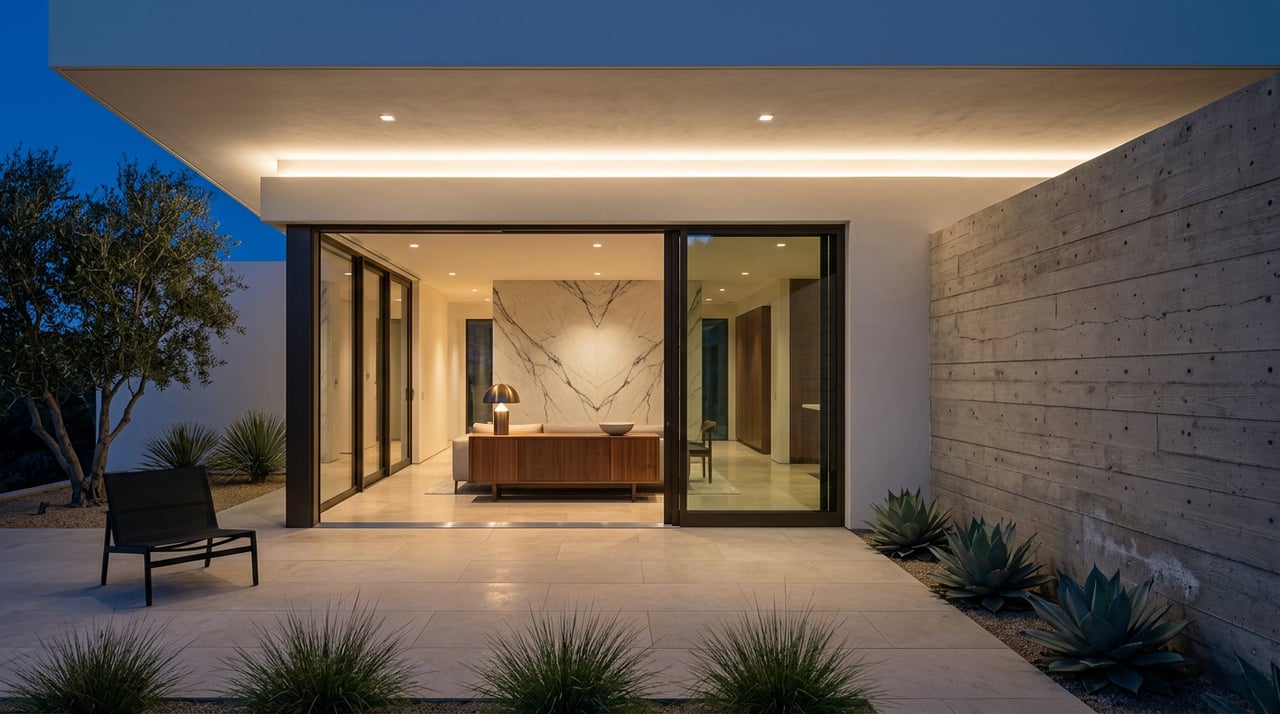
Buyers comparing Ascaya to MacDonald Highlands or The Ridges usually start with a single number pulled from a portal. In mid-2026 that number lands somewhere between $9.8 million and $10.75 million, depending on which MLS feed you trust. It is accurate. It is also close to useless.
Ascaya is not one product. Behind the same guard gate, three completely different transactions are happening at three different price bands, on three different timelines, with three different failure modes. A serious buyer needs to decide which path they are on before they decide what they can afford.
The number that misleads
Across recent MLS snapshots, active Ascaya listings show an average of roughly $1,340 to $1,381 per square foot and an average of 110 to 143 days on market. Redfin recorded a median sale price of $10.3 million in September 2025, up 22.4% year over year. Ascaya sold $144 million in a recent single year, a 50% jump from the prior twelve months.
Those figures blend a $1.25 million homesite that closed on Boulderback Drive in February 2026 with completed customs listed above $14 million. A reader looking at the median assumes a house. Half the transactions are land.
Once you separate the three products, the market gets legible.
Path one: resale customs
This is the tightest lane. The community holds 313 planned homesites across 664 acres, and as of April 2026 only 92 homes were completed, with 31 under construction and 32 in architectural review. That is the entire supply universe. When a finished custom comes to market, it competes with new construction and with buyers who have been on a wait list for years.
Current trophy inventory reflects that:
- 3 Heavens Edge Ct: 9,588 sq ft, six bedrooms, listed at $15.9 million
- 7 Stoneshead Ct: 9,047 sq ft, listed at $14.4 million
- 19 Boulderback Dr: 9,788 sq ft, listed at $11.95 million
Days on market for finished homes tell you what the median cannot. Averages north of 110 days at this tier do not mean weak demand. They mean a small pool of qualified buyers taking their time on a very specific search: view corridor, architect, garage count, ceiling height. The friction here is match, not price.
Path two: The Canyon Residences
Blue Heron's 51-unit enclave inside Ascaya is a different product entirely. Priced from $2.9 million, The Canyon offers three- and four-bedroom single-level condominium residences from 3,391 to 4,859 square feet, with 12-foot ceilings, dual primary suites, motorized pocket doors, and finishes by Sub-Zero, Wolf, and Brizo. HOA covers exterior maintenance. Owners get the full Ascaya amenity package: the 23,000-square-foot clubhouse, 50-meter Strip-view pool, tennis and pickleball pavilion, and two-acre Family Park, plus Canyon-exclusive extras across five pool terraces and two wellness parks with saunas and cold plunges.
The Canyon exists because Ascaya's leadership recognized that a large share of hillside luxury demand is second-home and cross-market. A California entrepreneur who spends four months a year in Las Vegas does not want to manage 8,000 square feet of desert modern architecture. Blue Heron built a lock-and-leave version of the same lifestyle, delivered turn-key, at roughly a third of the entry price of a resale custom.
Mansion Global named The Canyon among the top five luxury developments launching in 2025. The interior finish package is closer to a completed custom than to a typical condominium, which is why the sub-$3 million entry point is misleading in its own way. It is not a discount on Ascaya. It is a different asset.
Path three: Cloud Rock and the last developer homesites
In 2025 the development team released the final 58 lots at Ascaya, branded the Cloud Rock Collection. Ranges vary by source: the company lists 1.6 to 3.34 acres priced from $2 million to $8 million, while the Las Vegas Review-Journal's reporting on the release cites a top end of $18 million on the largest parcels. These are the highest ridgelines in the community, with 360-degree views spanning the Las Vegas Valley and the protected Sloan Canyon National Conservation Area.
Development lead Sam Brown noted in that same interview that most Ascaya streets carry a 4,500-square-foot minimum home size, though the average built home already exceeds 8,000 square feet. Ascaya imposes no build-timeline requirement, an unusual position among luxury master plans, and homesite owners get full amenity access from closing.
That combination is where the hidden friction lives.
"It seems like a high minimum, but the average home in Ascaya is probably over 8,000 square feet." — Sam Brown, Ascaya development lead, in the Las Vegas Review-Journal
A buyer looking at a $3 million lot is not looking at a $3 million transaction. Once you commit to Blue Heron, Marmol Radziner, SB Architects, Swaback Partners, or another firm working in the community, the all-in figure for land plus a market-appropriate custom lands in a very different range than the sticker. The land is the smaller number in the equation.
What the top of the market is telling you
The clearest recent signal came in March 2026, when Raiders owner Mark Davis purchased four adjacent lots totaling roughly 19 acres for $38.75 million, per Clark County property records reported by the Las Vegas Review-Journal. This was on top of the 6.3-acre parcel he bought in 2020 for $6 million, where a roughly 15,000-square-foot residence was completed in 2024.
Read that transaction as a market comp and it is easy to misread. Davis is not buying at retail. He is consolidating. When ridgeline buyers with long time horizons treat adjacent lots as a portfolio, it signals that the remaining Cloud Rock inventory is being priced against a very specific kind of buyer: one who assumes the developer-controlled supply of 58 lots is the end of new land at this elevation, forever.
That scarcity math is the reason a $2 million homesite and an $18 million homesite can coexist in the same collection. The premium is not on the acreage. It is on the position.
The transaction friction nobody prices
Each path has a specific friction that only surfaces once a buyer is at the table:
- Resale customs. Because inventory is thin, well-priced homes see multiple offers, and even full-price bids may not clear. Contingencies matter here. Cash and short close windows win. Cross-market buyers relying on Southern California sale proceeds need a bridge structure ready before they see the home they want.
- The Canyon Residences. These are condominium residences, not detached homes. Ownership rights, insurance structure, and HOA scope differ from a standalone Ascaya custom in ways that matter for financing, primary vs. secondary residence status, and estate planning. Buyers who assume a Canyon residence is a house on a small lot get surprised at underwriting.
- Cloud Rock and Estate homesites. The absence of a build-timeline requirement is a feature that can quietly become a cost. Carrying vacant land through a design and permitting cycle that can run 18 to 30 months means paying property taxes, HOA dues, and often construction financing interest on a non-income-producing asset. Buyers who plan a two-year build and take four should model that from the start.
How to compare Ascaya to its neighbors
The honest cross-comparison is not community to community. It is path to path.
A buyer weighing MacDonald Highlands against Ascaya on median price is comparing a mostly built-out community against one that still carries meaningful developer inventory. A buyer weighing The Ridges against The Canyon Residences at Ascaya is comparing established resale supply against a brand-new lock-and-leave product with no comparable resale history yet.
For readers considering the surrounding market, our notes on Roma Hills pricing mechanics and the build-versus-buy question in MacDonald Highlands address adjacent decisions. Ascaya sits at a different point in its lifecycle than either of those enclaves, and it should be priced that way.
FAQ
Are the Cloud Rock lots really the last developer land in Ascaya? Yes. The 58-lot Cloud Rock Collection was announced as the final developer-owned homesites, per the community's 2025 release. Future supply at that elevation will come from resale only.
Does Nevada residency actually change the math for a California buyer? Nevada has no state income tax on wages, investments, or retirement income. Whether that meaningfully changes the buy decision depends on residency establishment, not property purchase alone, and is a question for a tax advisor rather than a broker.
Can a Canyon Residence be a primary residence? It can. The residences are legally condominiums, and the HOA structure was designed around lock-and-leave use, but the floor plans, dual primary suites, and full amenity access work as well for a full-time resident as for a seasonal owner.
Why do Ascaya days-on-market run higher than nearby communities? Custom homes at this price tier are match-driven purchases. Buyers are searching for a specific view corridor, architect, or program, and finished spec inventory is limited by design. Longer DOM at $10 million-plus is a function of specificity, not softness.
If you are weighing Ascaya against another hillside community, or trying to price which of the three paths fits your timeline, MS Luxury Homes can walk you through active inventory, developer availability, and the transaction structure that fits your circumstances. Connect with Michele for a private conversation.