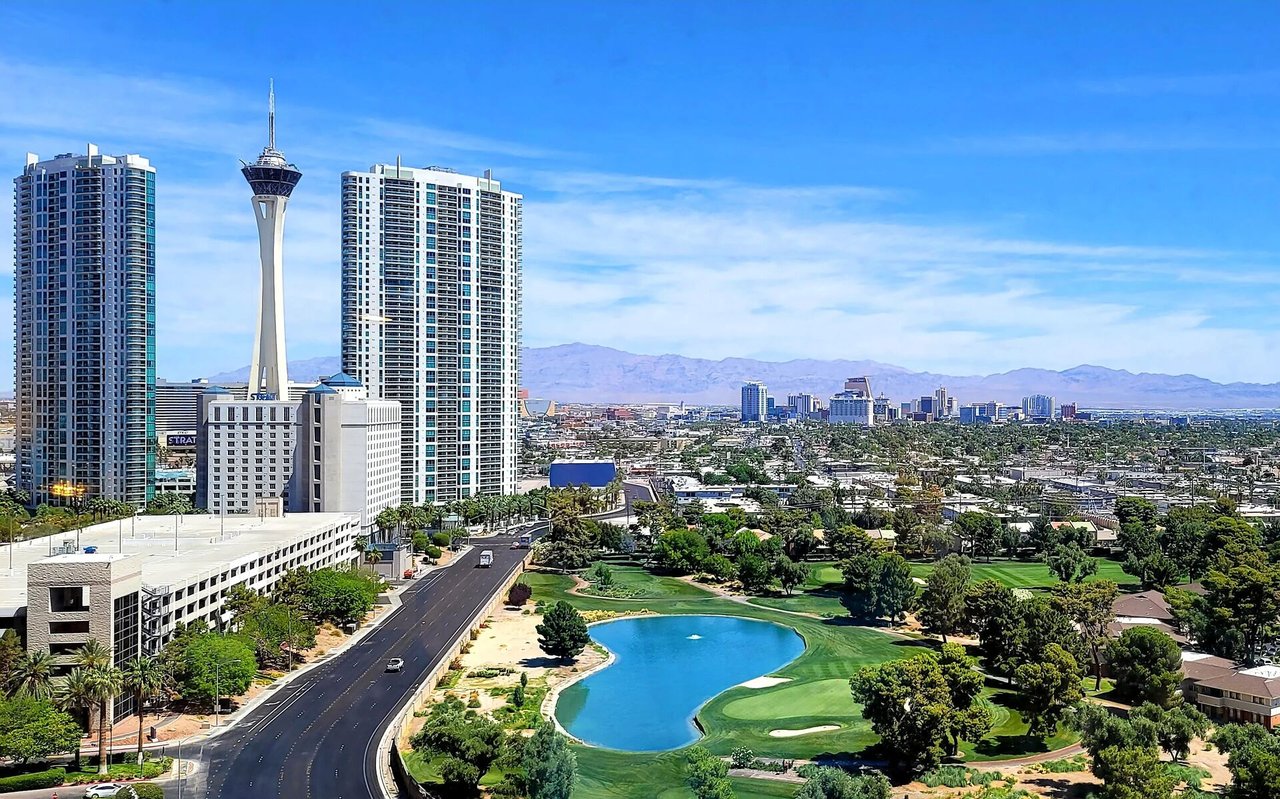
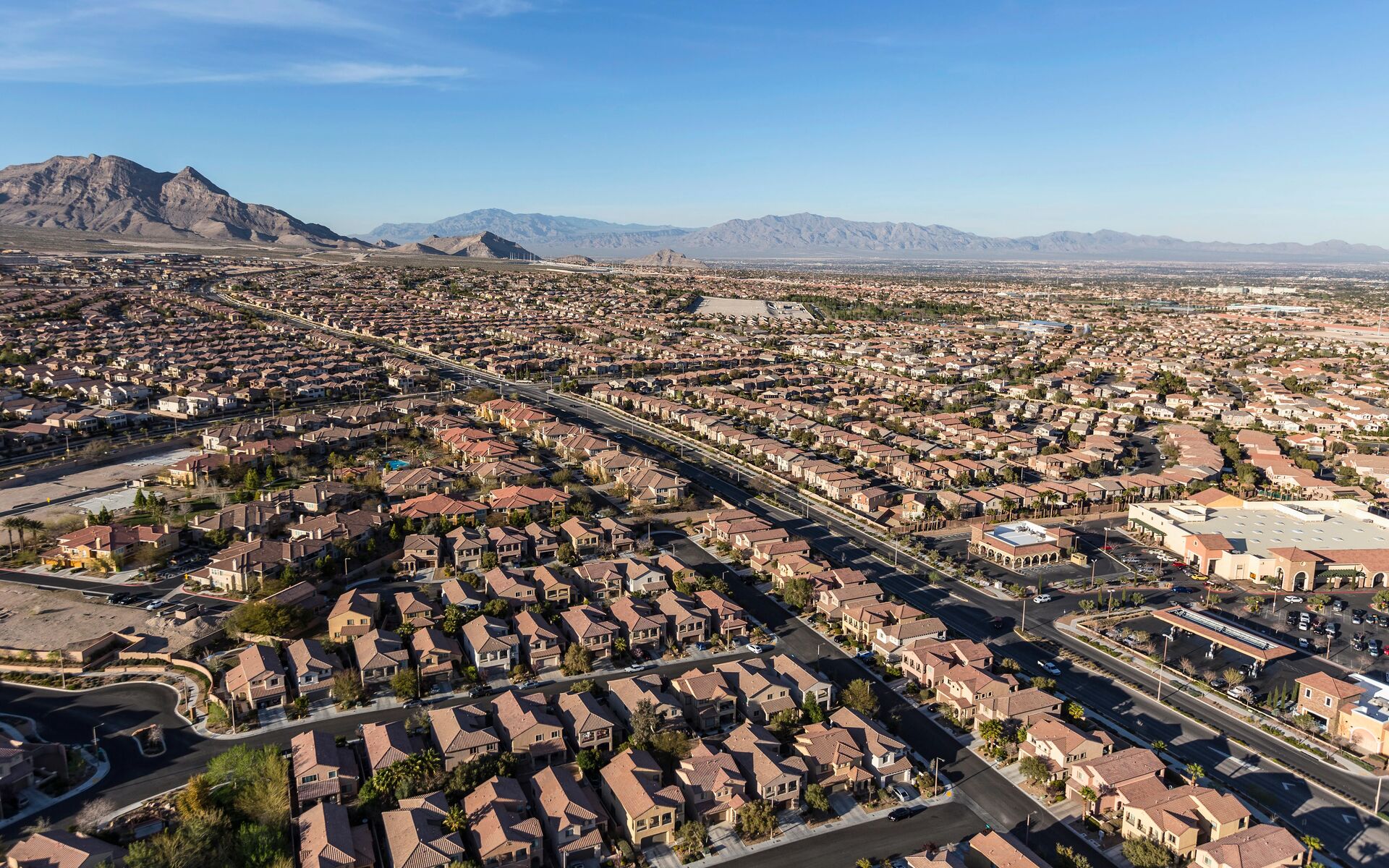
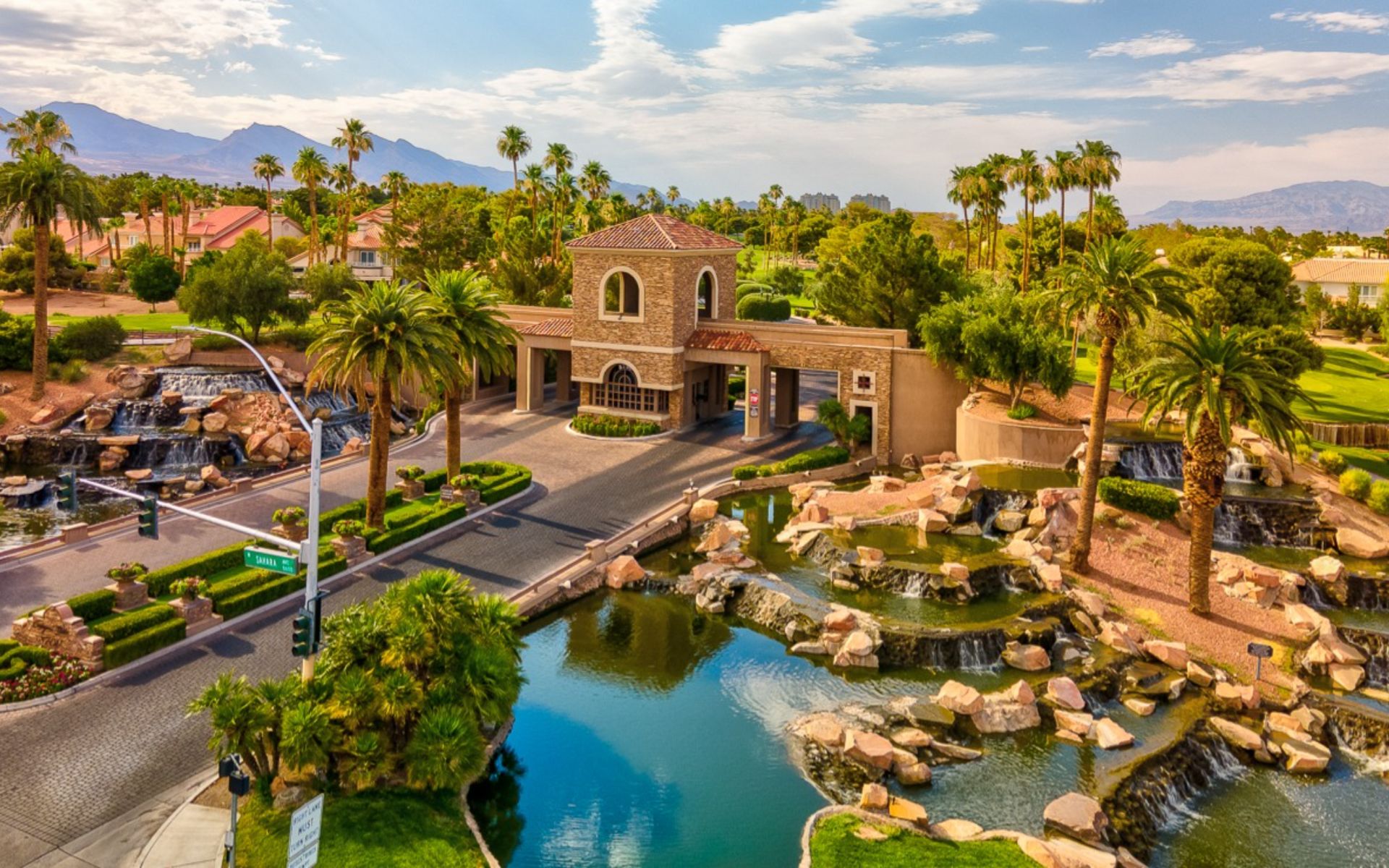
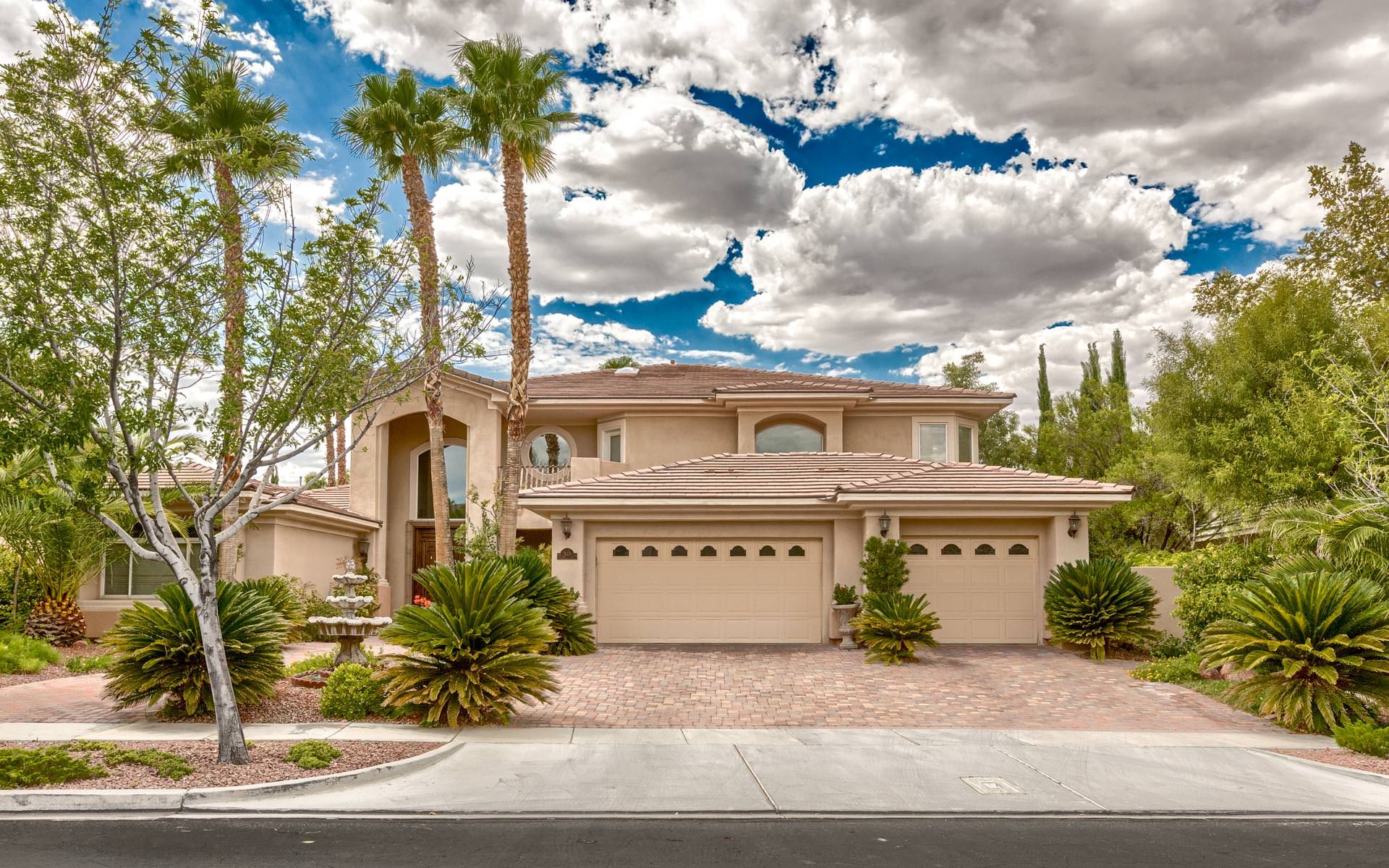
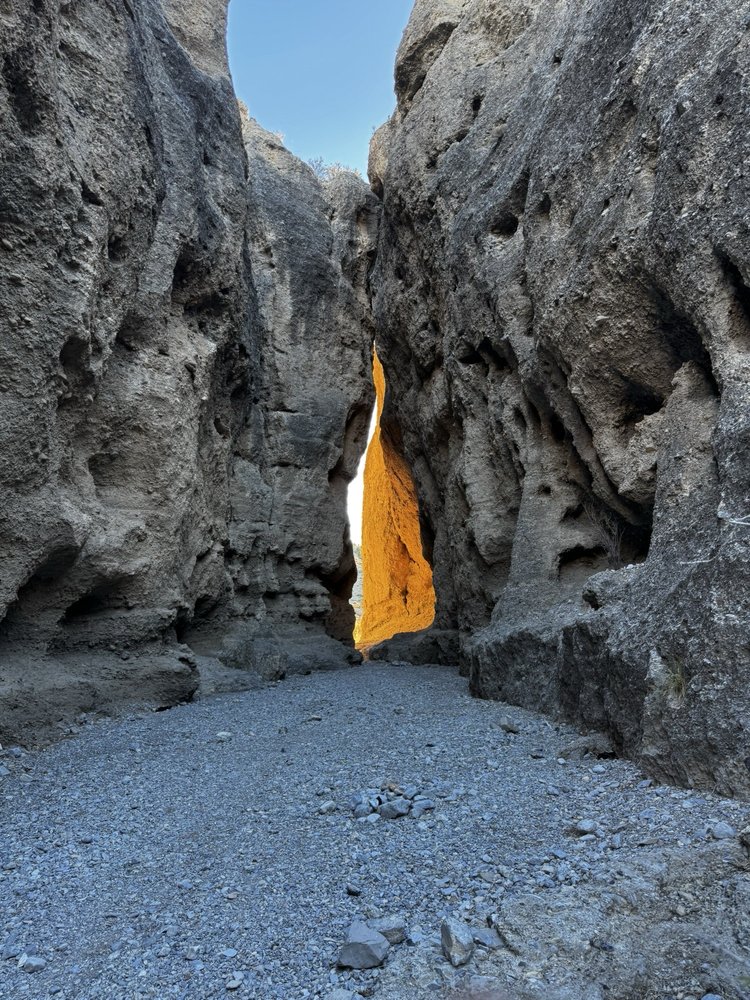
Master-planned amenities, Red Rock access, golf, dining, parks, and established luxury communities.
Las Vegas Beyond the Strip
Las Vegas is a collection of distinct residential settings rather than a single resort-centered lifestyle. Residents can choose master-planned communities, established west-side neighborhoods, creative urban districts, newer northwest growth areas, and high-rise living near the city’s central destinations.
The right area depends on how you want to live day to day. Access to parks, trails, dining, work, schools, cultural destinations, major roads, and outdoor recreation can matter as much as the home itself. This guide helps compare the broader settings that shape life across Las Vegas.
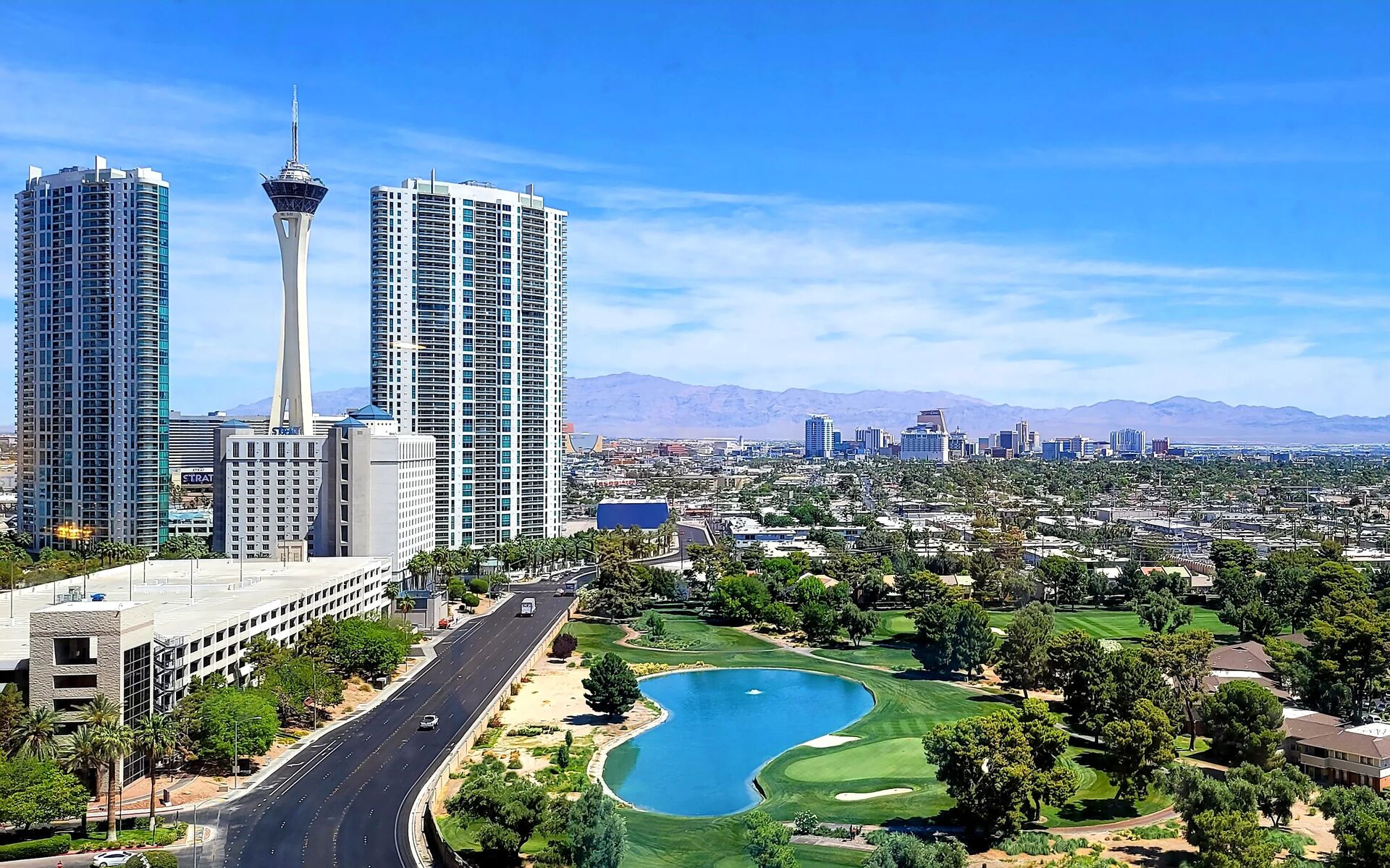
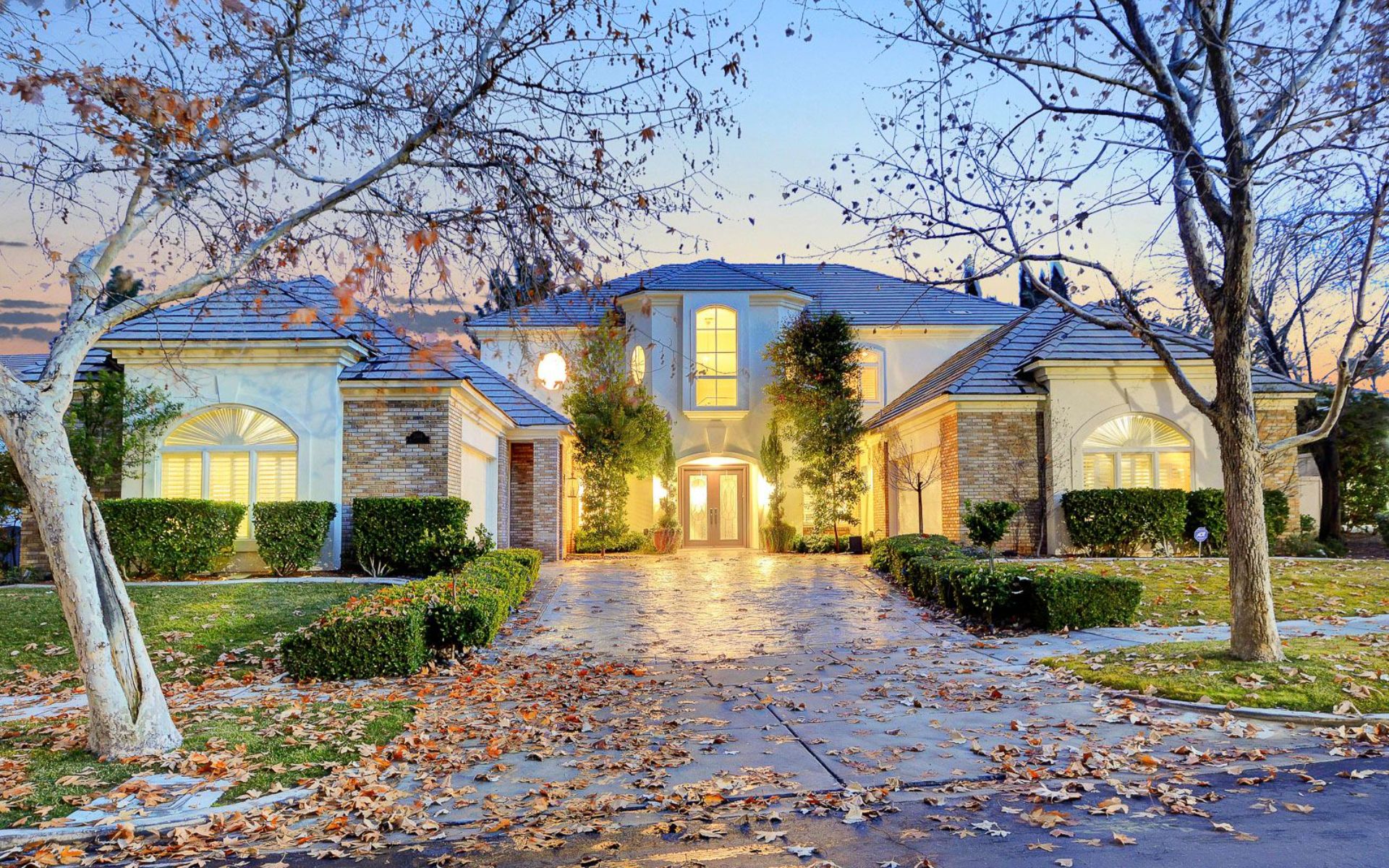
Master-planned amenities, Red Rock access, golf, dining, parks, and established luxury communities.
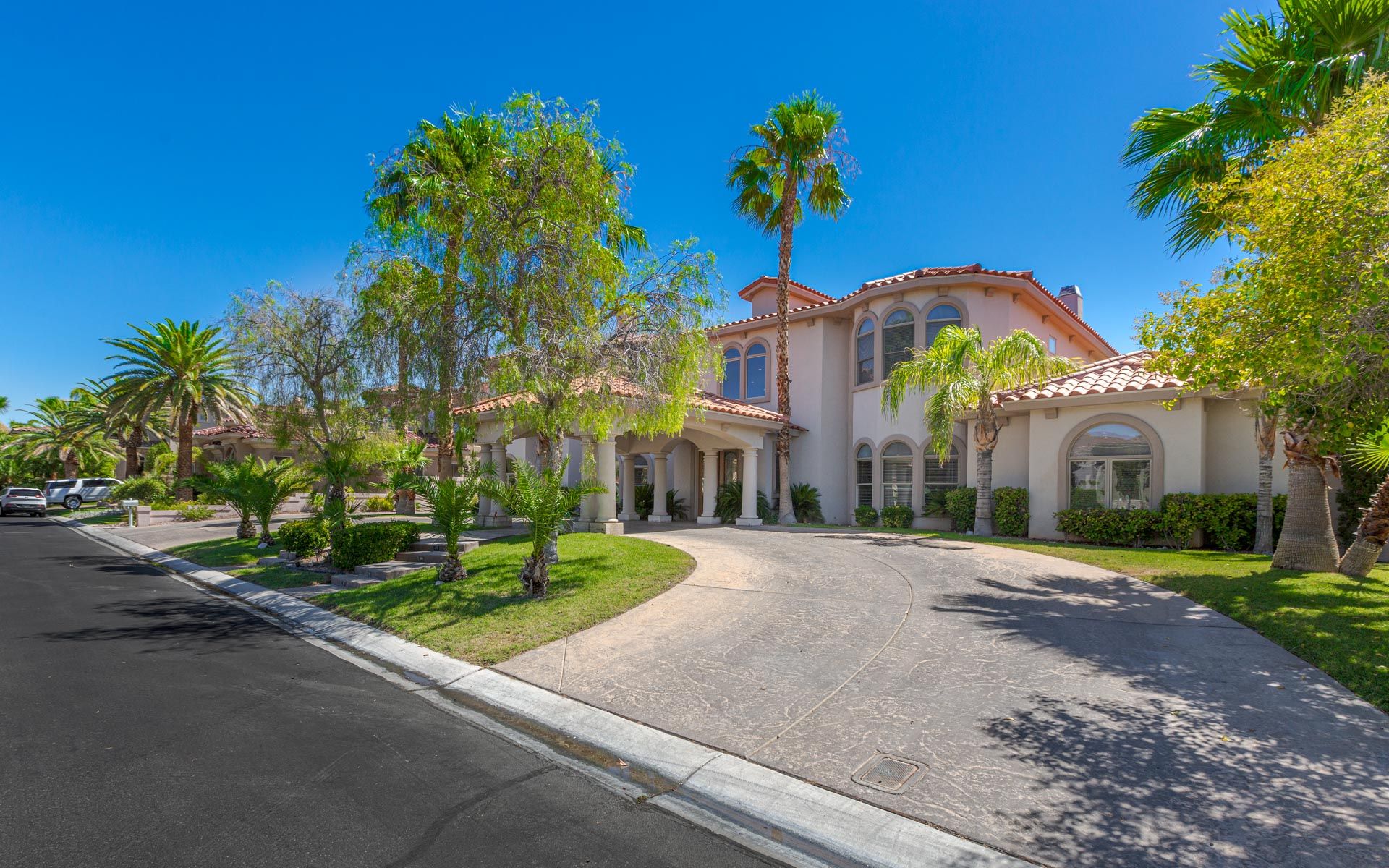
Mature landscaping, convenient access, gated enclaves, and homes built across several decades.
Downtown, the Arts District, high-rises, cultural destinations, restaurants, and city energy.
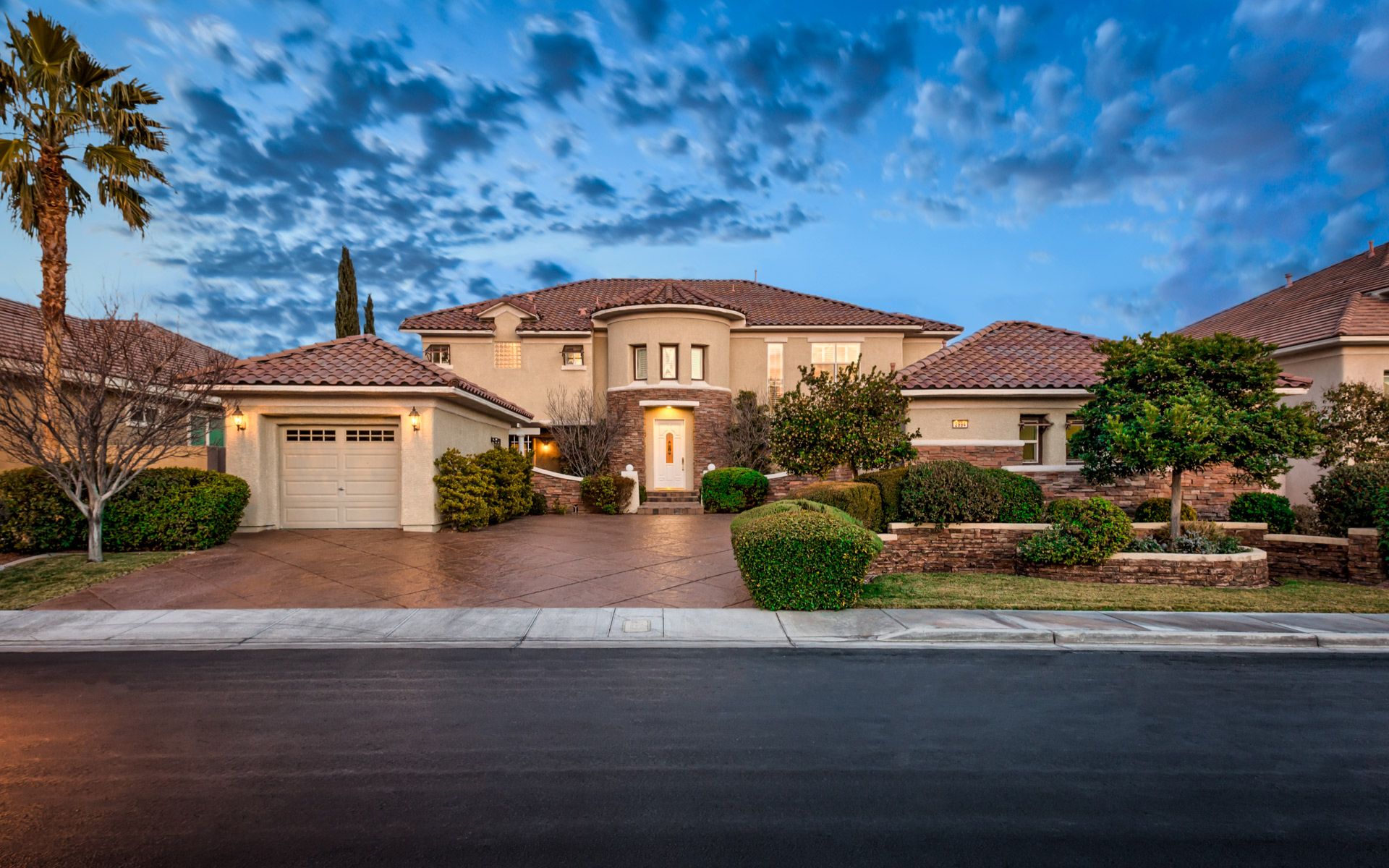
Newer growth, larger parks, mountain access, open surroundings, and a more residential pace.
Find Your Place
Las Vegas communities differ in daily rhythm, housing age, outdoor access, walkability, commute patterns, views, and amenities. Compare the broader setting before narrowing the search to a specific neighborhood.
Master-planned, polished, recreation-oriented, and connected to Red Rock.
Residents seeking parks, trails, golf, dining, shopping, and organized community amenities.
Exact village or enclave, HOA structure, community age, property type, daily routes, and distance to preferred destinations.
Urban, creative, historic, energetic, and more walkable than most of the valley.
Residents prioritizing restaurants, nightlife, galleries, events, and cultural destinations.
Parking, street activity, building type, nighttime noise, walkability, and access to daily services.
Growing, residential, spacious, park-oriented, and closer to mountain access.
Residents seeking newer communities, open surroundings, recreation, and a quieter pace.
Travel time, ongoing development, daily shopping routes, home age, and access to work or central destinations.
Mature, residential, centrally connected, and varied in architecture and community design.
Residents valuing landscaping, larger lots, privacy, established streets, or gated access.
Renovation history, home systems, HOA rules, surrounding property condition, and community-specific standards.
Service-oriented, secure, connected, and designed for lock-and-leave ownership.
Residents prioritizing views, amenities, concierge services, entertainment access, and reduced exterior maintenance.
Association finances, monthly fees, reserves, parking, storage, residence rules, and service levels.
Explore Local Areas
Explore individual community pages for a more focused look at setting, architecture, amenities, residential character, and local property options.
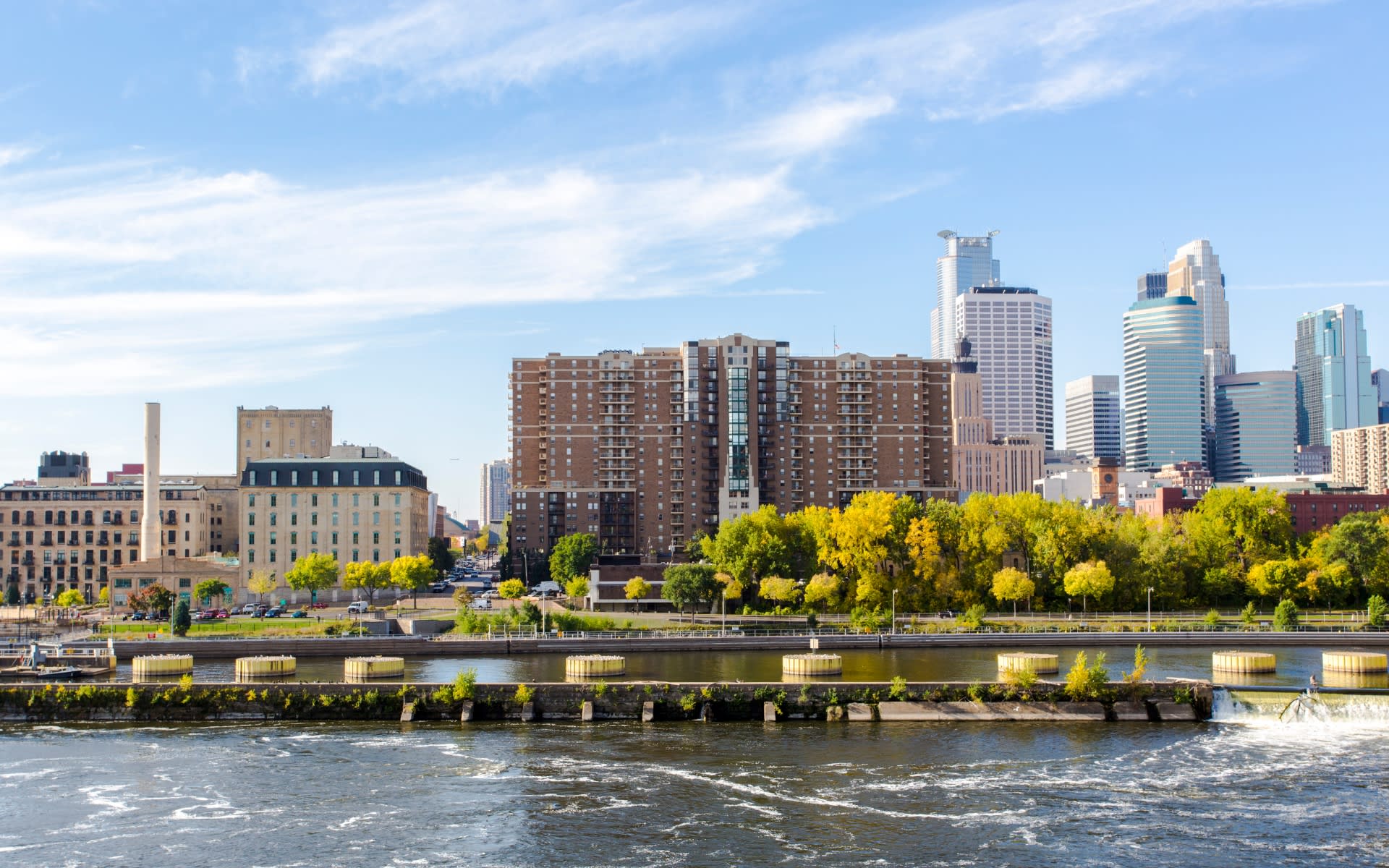
Life Across the Valley
Life in Las Vegas extends far beyond the resort corridor. Neighborhood choice can shape how easily residents reach trails, parks, dining districts, professional sports, cultural destinations, shopping, healthcare, and everyday services.
Red Rock Canyon, Lone Mountain, Floyd Lamb Park, local trails, golf, neighborhood parks, and routes toward Mount Charleston support an active desert lifestyle.
The Arts District, Downtown Las Vegas, Chinatown, Spring Mountain Road, Downtown Summerlin, galleries, local restaurants, and entertainment districts offer distinct experiences.
Professional sports, concerts, festivals, and major venues are accessible from residential areas across the valley without requiring residents to live beside the Strip.
Shopping, healthcare, fitness, schools, restaurants, and major road connections vary by area, making daily routines an important part of neighborhood selection.
Relocation Considerations
Compare the lived experience of each area rather than relying only on a map or neighborhood label. Daily routes, noise, community rules, sun exposure, development, and the condition of the individual home can all affect long-term satisfaction.
Homes Across Las Vegas
Las Vegas real estate includes established single-family homes, newer planned communities, condominiums, townhomes, high-rise residences, golf properties, gated neighborhoods, and custom estates. The setting and ownership structure can be just as important as the number of bedrooms or square footage.
Planning Your Next Move
A thoughtful valuation considers more than a broad city average. Exact neighborhood, lot position, views, condition, renovations, floor plan, community demand, nearby competition, and current inventory can all influence how a Las Vegas property should be positioned.
Michele can help homeowners review the local context surrounding a potential move and develop a more focused next-step strategy.
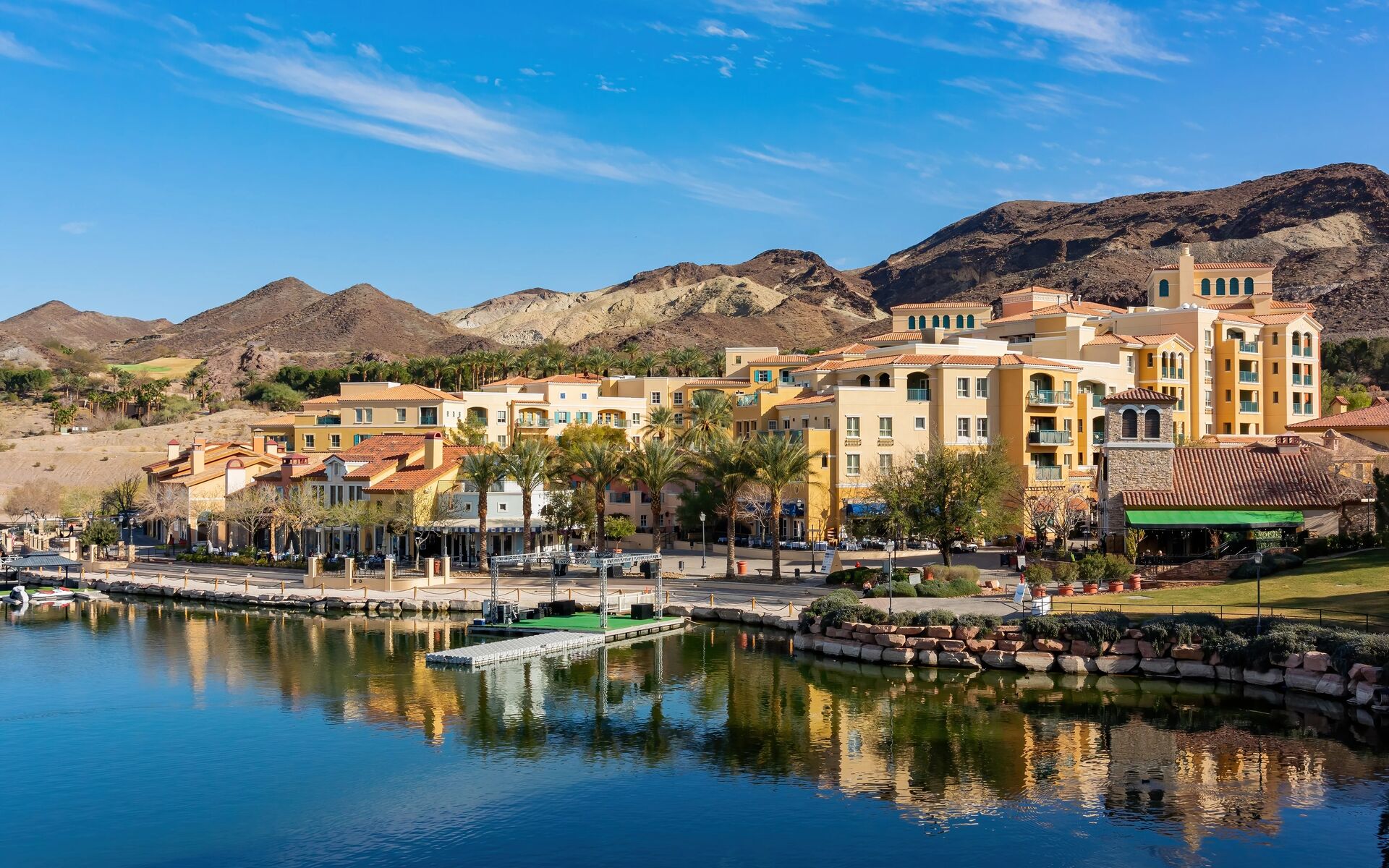
Community Questions
Answers to common questions about residential settings, relocation, outdoor access, urban living, planned communities, and choosing where to live in Las Vegas.
Everyday life in Las Vegas varies significantly by neighborhood. Residents can choose master-planned communities, established suburban streets, creative urban districts, newer northwest developments, golf communities, or high-rise residences while maintaining access to dining, entertainment, parks, and outdoor recreation.
Broad residential settings include Summerlin and the western valley, established west-side neighborhoods, Downtown and the Arts District, central high-rise areas, and newer northwest communities such as Centennial Hills, Lone Mountain, and Skye Canyon.
Summerlin and other western Las Vegas communities generally provide convenient access toward Red Rock Canyon. Actual travel time depends on the specific neighborhood, road access, time of day, and destination within the conservation area.
Downtown Las Vegas, the Arts District, and select central high-rise areas offer a more urban environment with restaurants, entertainment, cultural destinations, and some walkable connections. Walkability still varies by individual building and immediate location.
Summerlin, Skye Canyon, and other newer or expanding communities may offer planned parks, trails, recreation facilities, shopping, and newer construction. Buyers should compare the specific village, phase, HOA structure, and future development plans.
Relocating buyers should compare actual commute routes, access to daily services, parks and recreation, noise, home age, HOA requirements, sun exposure, ongoing development, school assignments, and the complete cost of maintaining the property.
Yes. Las Vegas includes numerous controlled-access and guard-gated communities. Security structure, guest procedures, fees, architectural standards, construction rules, and vendor access differ by community and should be reviewed individually.
Summerlin is a large master-planned area with parks, trails, golf, shopping, and access toward Red Rock. Central Las Vegas offers a mix of established neighborhoods, high-rises, downtown districts, entertainment, dining, and more urban property types.
Las Vegas offers a broad mix of urban, suburban, planned, established, and high-rise settings across the central and western valley. Henderson is a separate city southeast of Las Vegas with its own neighborhoods, hillside communities, planned areas, and local destinations. The right choice depends on specific communities and daily priorities.
The dedicated Las Vegas luxury homes page provides active inventory and buyer-focused information about custom estates, gated properties, golf homes, view residences, new construction, and high-rise living.
Your Las Vegas Move
Share the lifestyle, location, property type, commute, recreation, privacy, and timing that matter most. Michele can help narrow the Las Vegas communities and properties that deserve a closer look.
1,631,414 people live in Las Vegas, where the median age is 40 and the average individual income is $36,723. Data provided by the U.S. Census Bureau.
Total Population
Median Age
Population Density Population Density This is the number of people per square mile in a neighborhood.
Average individual Income
There's plenty to do around Las Vegas, including shopping, dining, nightlife, parks, and more. Data provided by Walk Score and Yelp.
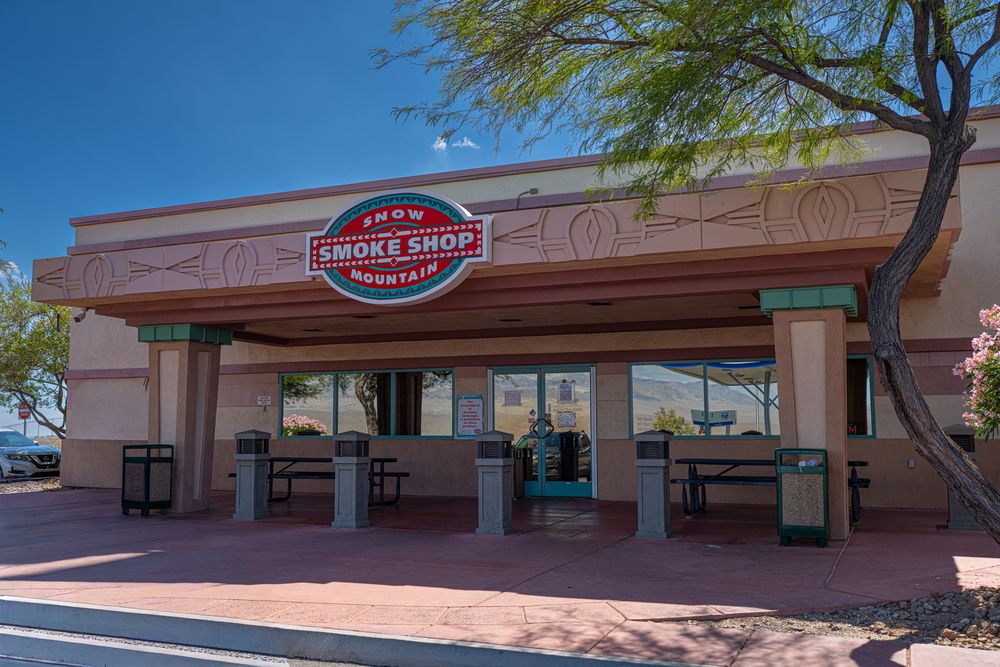
Explore popular things to do in the area, including Snow Mountain Smoke Shop, Chevron, and Triple Crown Fitness.
| Name | Category | Distance | Reviews |
Ratings by
Yelp
|
|---|---|---|---|---|
| Dining · $ | 4.68 miles | 29 reviews | 3.2/5 stars | |
| Dining | 4.68 miles | 1 review | 5/5 stars | |
| Active | 2.34 miles | 0 reviews | 0/5 stars | |
| Active | 3.07 miles | 1 review | 4/5 stars | |
| Active | 4.15 miles | 4 reviews | 4.3/5 stars | |
|
|
||||
|
|
||||
|
|
||||
|
|
||||
|
|
||||
|
|
Las Vegas has 605,879 households, with an average household size of 3. Data provided by the U.S. Census Bureau. Here’s what the people living in Las Vegas do for work — and how long it takes them to get there. Data provided by the U.S. Census Bureau. 1,631,414 people call Las Vegas home. The population density is 8,560 and the largest age group is Data provided by the U.S. Census Bureau.
Total Population
Population Density Population Density This is the number of people per square mile in a neighborhood.
Median Age
Men vs Women
Population by Age Group
0-9 Years
10-17 Years
18-24 Years
25-64 Years
65-74 Years
75+ Years
Education Level
Total Households
Average Household Size
Average individual Income
Households with Children
With Children:
Without Children:
Marital Status
Blue vs White Collar Workers
Blue Collar:
White Collar: